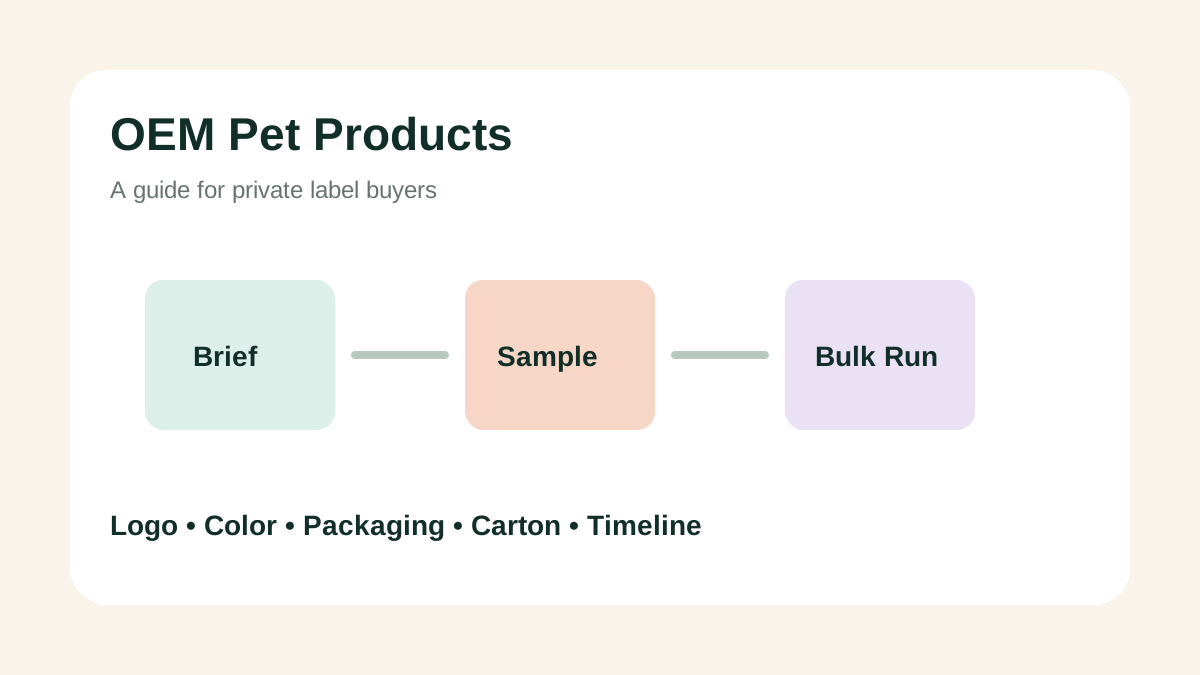
OEM pet products help brands sell a product under their own name, packaging and market positioning. For private-label buyers, the challenge is not only adding a logo. The real work is turning a product idea into a repeatable specification that can be sampled, produced, inspected and reordered.
Decide what should be customized
The easiest OEM projects usually start from an existing product structure and customize visible details such as color, logo, packaging and instruction materials. More complex ODM projects may change size, material, function or tooling, which can increase cost, lead time and sample rounds.
- Low complexity: logo label, color selection, carton mark or insert card.
- Medium complexity: custom fabric, retail box, instruction sheet or bundle design.
- Higher complexity: new size, new structure, new mold or a unique functional component.
Prepare a practical OEM brief
A good OEM brief reduces back-and-forth communication. It should tell the supplier what the buyer wants to sell, where it will be sold and what must be different from a standard catalogue item.
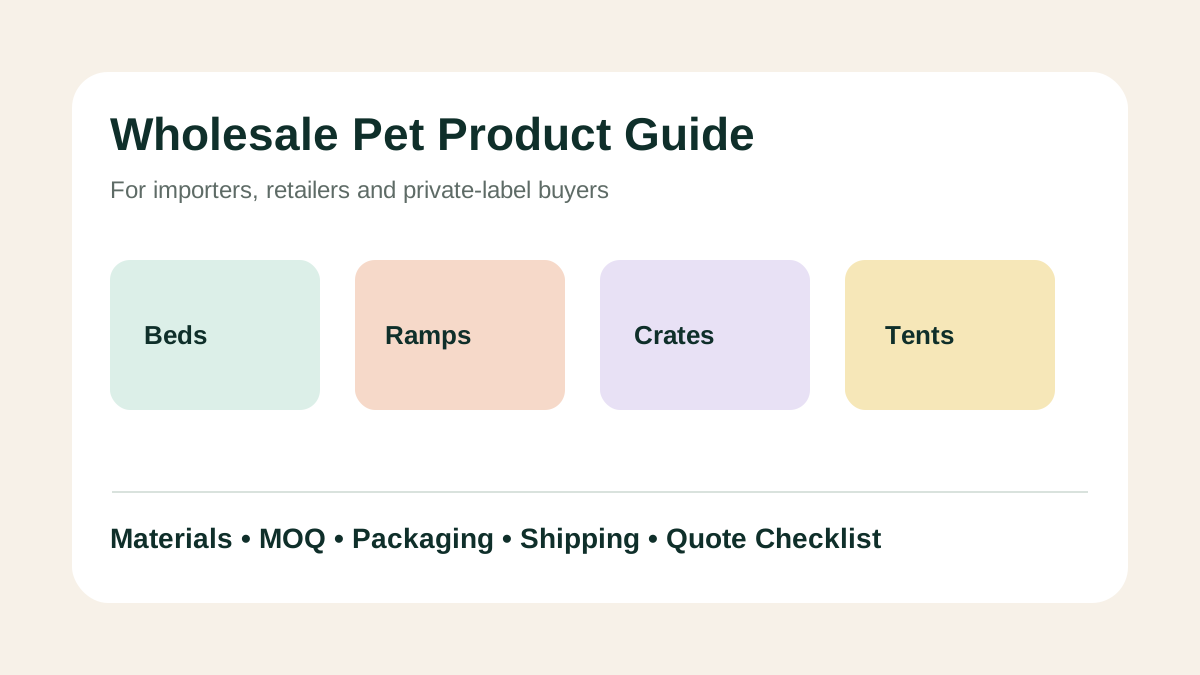
- Target product category, such as elevated beds, ramps, crates or tents.
- Target market and sales channel, such as Amazon, pet shops, distributors or supermarkets.
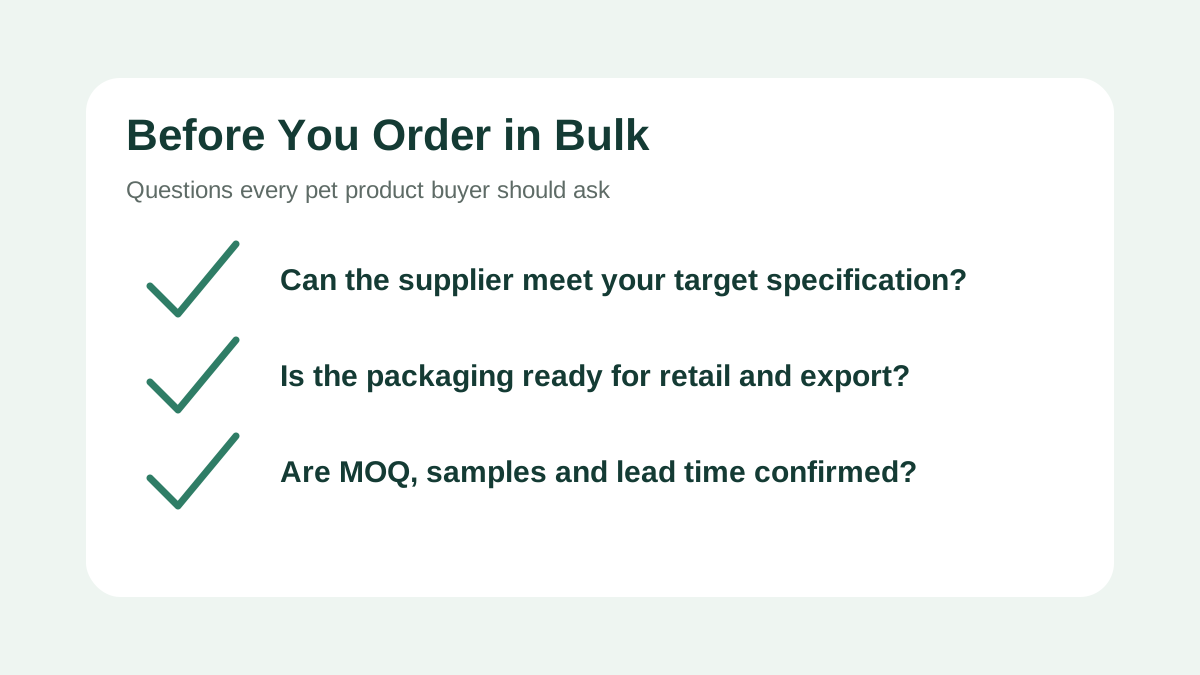
- Expected order quantity and number of SKUs.
- Brand files, logo color, packaging style and barcode needs.
- Functional requirements such as foldability, anti-slip surface, washable cover or flat-pack design.
Use samples to control expectations
Private-label products should not move into mass production until the buyer has approved the physical sample or a clearly documented pre-production sample. This is especially important for colors, fabric texture, logo placement, package fit and assembly instructions.
Think about packaging as part of the brand
Packaging does more than protect the product. It explains the product, supports retail display, affects freight efficiency and sets customer expectations. For pet products, packaging should clearly show size, use scenario, care instructions and any important safety or assembly notes.
Avoid common OEM mistakes
- Changing too many details in the first order before validating demand.
- Approving digital artwork without checking physical print color and placement.
- Ignoring carton size and freight impact when designing retail packaging.
- Using product claims that have not been tested or documented.
- Failing to keep a final approved sample for future reorder comparison.
The best OEM projects are simple enough to manufacture consistently and different enough to support the buyer's brand promise.