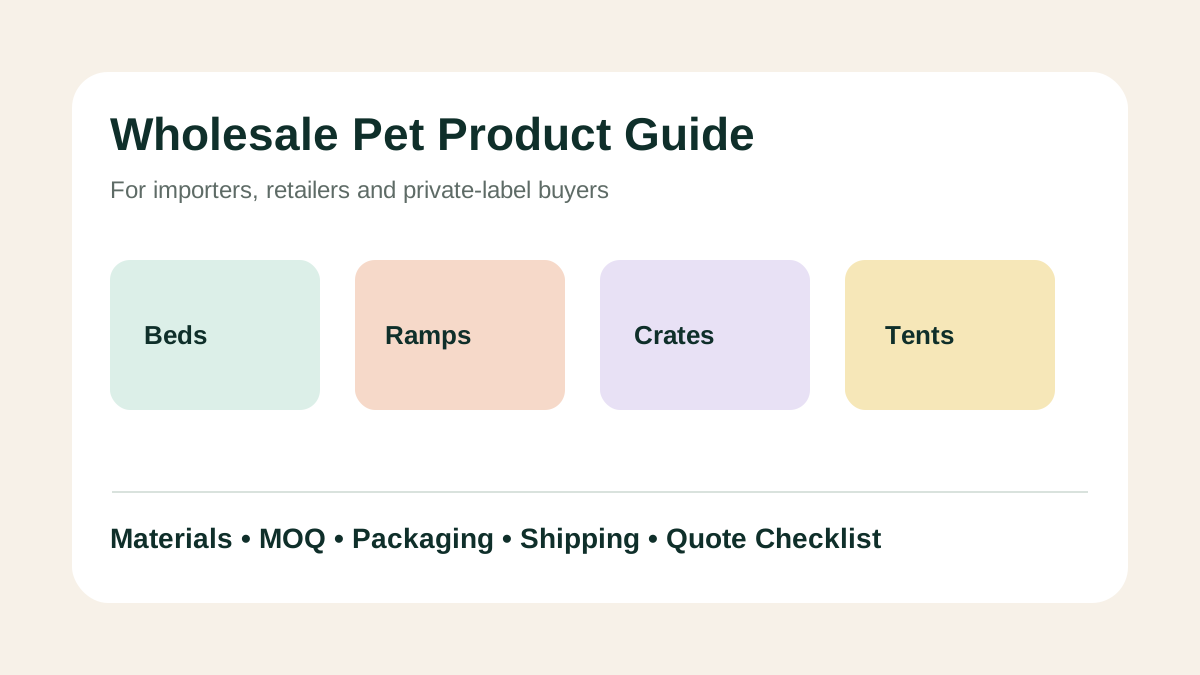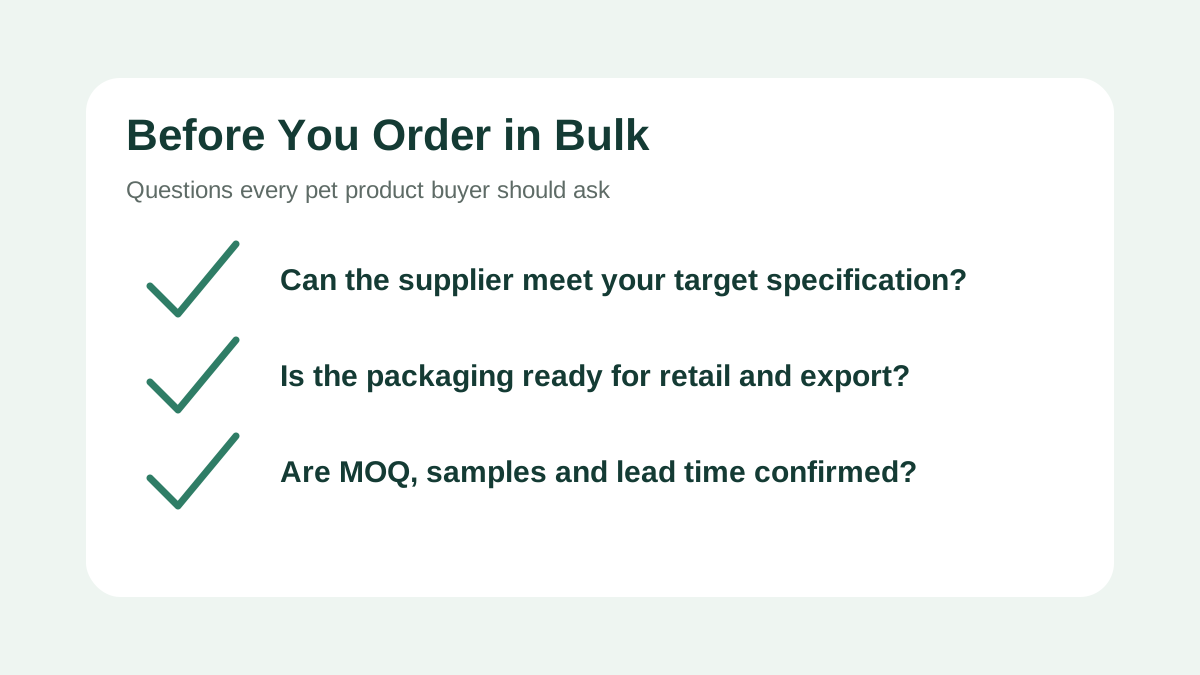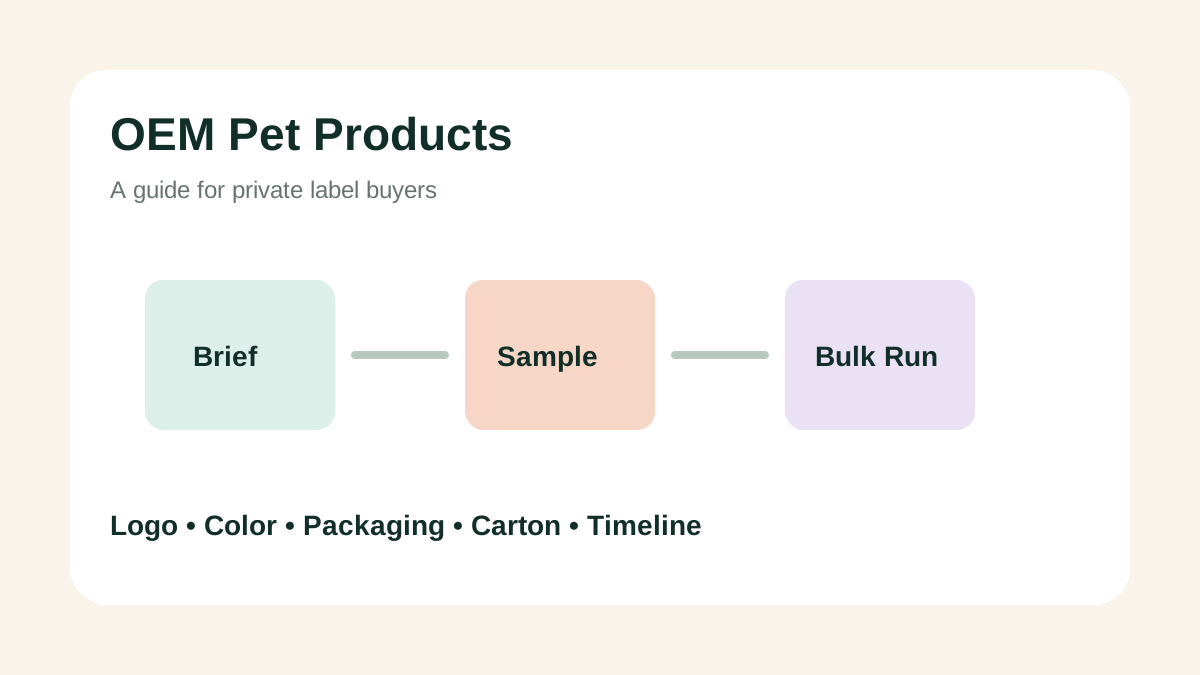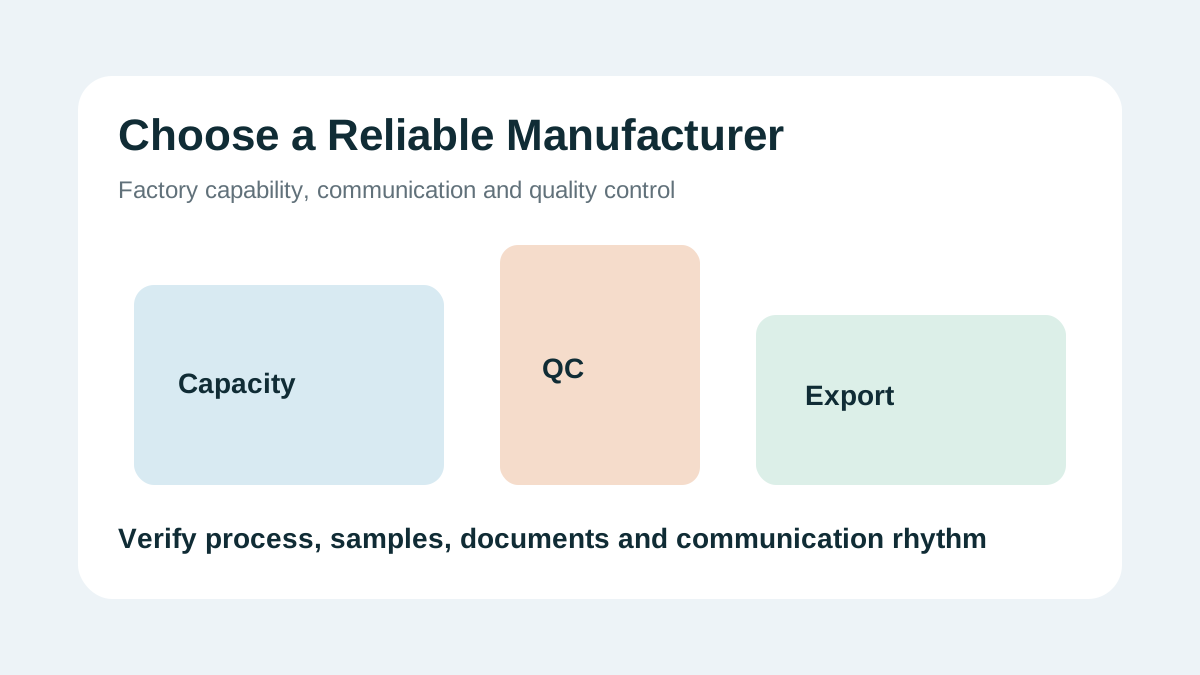
A reliable pet products manufacturer is not only the factory with the lowest quotation. For importers and retailers, reliability means the supplier can repeat quality, communicate clearly, protect timelines and support the documents needed for the destination market.
Evaluate product focus first
A manufacturer with experience in your category will usually ask better questions. A factory focused on pet beds, ramps, crates and tents should understand materials, pet use scenarios, packaging pressure points and the common complaints that happen after retail sale.
- Ask which categories the factory produces regularly, not only what it can quote once.
- Review real product photos, sample videos and current catalogue specifications.
- Check whether the supplier can explain material choices and trade-offs in plain language.
- Ask how the product is packed, inspected and prepared for export shipment.
Check communication before placing a large order
Slow or unclear communication during quotation often becomes more expensive during production. Buyers should look for suppliers who confirm specifications in writing, explain MOQ logic, flag risks early and keep sample and production information organized.
Ask about quality control workflow
Quality control should be a process, not a slogan. Ask what is checked before production, during production and before shipment. For pet products, practical checks may include dimensions, stitching, coating, folding function, assembly parts, packaging fit and carton condition.
- Incoming material check
- Pre-production sample confirmation
- In-process inspection for structure and workmanship
- Final inspection before packing or before shipment
- Clear photo or report records for buyer review
Verify export and documentation readiness
Import requirements vary by country and product type. A manufacturer should be able to support normal export documents and cooperate with reasonable buyer requests for labeling, country-of-origin information, packing lists, commercial invoices and product specifications.
Use a small first order when possible
If the supplier is new to your company, a focused first order is often safer than launching too many SKUs at once. Start with products that match your buyer demand, confirm packaging and quality, then expand after sell-through data and customer feedback are clearer.
The right supplier should reduce uncertainty, not create more hidden work for the buyer.